
"colonial NYC"
5053 article(s) found

Introduction of Guatemalan coffee Mayan coffee culture-Guatemalan coffee flavor describes the characteristics of the producing area
Antigua is the oldest and most beautiful city in America. As early as 1543, Antigua was the capital of all colonial times in Central America, and the Government House of Spain was also set up here. The whole city of Antigua was destroyed after the great earthquake of 1773, so the capital was moved to Guatemala City. Antigua is about 40 kilometers west of Guatemala City, where colonial buildings are located.

A brief introduction to the treatment method of grinding degree and baking degree of Larez Yaoke boutique coffee beans with fragrant taste
Puerto Rico's coffee beans are carefully planted, pure, aromatic and heavy, of which the best coffee is Yauco Selecto, which means Selecto. Yaocote Coffee is grown only on three farms in the southwest of the island, San Pedro, Caracolillo and La Juanita. It is a truly high-quality coffee with a strong flavor and a long aftertaste. Puerto Rico

Columbia Santa Rita Manor Coffee with light and silky taste
After the news of Napoleon I's invasion of Spain in 1808 spread to Colombia, the people of that place immediately launched an independence movement. On July 20, 1810, a large-scale uprising against Spanish colonial rule broke out in Bogota and the Governor of New Granada was arrested. In November 1811, representatives from all over the world organized Congress in Bogota and established the New Granada Joint Provincial Government, which was announced on November 11.
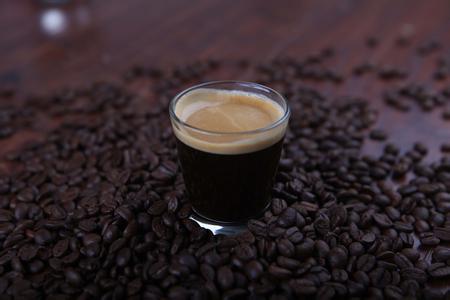
Coffee exports from El Salvador declined by 17.3%, about 132,000 government dollars less than the previous year.
The city of El Salvador has a large number of 16th-century buildings and religious buildings, many of which are decorated with 17th-and 18th-century carvings and stripes made of colored mud, reflecting the characteristics of the colonial period. Its overall characteristics are described through a forest of monuments and consistent ideas. All this shows that El Salvador is a city with a suitable structure for the colony.

Grinding scale of Colombian Ramon Coffee Bean introduction to the taste of regional treatment of varieties
The grinding scale of Colombian Ramon coffee beans the taste of the regional treatment method; after the news of Napoleon I's invasion of Spain in 1808 spread to Colombia, the people of the region immediately launched an independence movement. On July 20, 1810, a large-scale uprising against Spanish colonial rule broke out in Bogota and the Governor of New Granada was arrested. In November 1811, representatives from all over the world were in Bogota

A brief introduction to the flavor, taste and aroma characteristics of Larez Yaoke boutique coffee beans
On September 23, 1869, the people of Puerto Rico were in R. Under the leadership of Emmetrio Betons, an uprising was held in the town of Larez (known as the voice of Larez in history), which declared the establishment of a republic on the 24th and was later suppressed by the Spanish colonial army. After a long struggle, Puerto Rico was finally granted local self-government by Spain. However, from then on, after the Spanish-American War, the island became an American colony, when

A brief introduction to the planting market price of Larez Yaoke boutique coffee beans with a long aftertaste
On September 23, 1869, the people of Puerto Rico were in R. Under the leadership of Emmetrio Betons, an uprising was held in the town of Larez (known as the voice of Larez in history), which declared the establishment of a republic on the 24th and was later suppressed by the Spanish colonial army. After a long struggle, Puerto Rico was finally granted local self-government by Spain. However, from then on, after the Spanish-American War, the island became an American colony, when

Introduction to the flavor and taste of the fragrant and delicious coffee from the lemon tree manor in Nicaragua
Columbus arrived here in 1502 and reached the east coast of Nicaragua. In 1522, Spanish colonists began to conquer the region. The cities of Granada and Leon were founded in 1524. From then on, Nicaragua became a Spanish colony and came under the jurisdiction of the Governor's Office of Guatemala. The city of Leon developed into a political and cultural center; Granada became a commercial and agricultural center. In the later period of colonial rule

Mellow and fragrant Hope Manor Fine Coffee Bean cultivation, Geographic location, Climate and altitude
In his letter from Jamaica in 1815, Bolivar envisioned that when South America was liberated from Spanish colonial rule, New Granada and Venezuela should form a country, named Colombia. In August 1819, Bolivar's Patriotic Army defeated the Spanish colonial army at the Battle of Boyaca and liberated Bogota. So, New Granada and Venezuela

A brief introduction to the cultivation of Larez Yaoke boutique coffee beans with complete flavor, geographical location, climate and altitude
On September 23, 1869, the people of Puerto Rico were in R. Under the leadership of Emmetrio Betons, an uprising was held in the town of Larez (known as the voice of Larez in history), which declared the establishment of a republic on the 24th and was later suppressed by the Spanish colonial army. After a long struggle, Puerto Rico was finally granted local self-government by Spain. However, from then on, after the Spanish-American War, the island became an American colony, when

Introduction to the taste of Colombian Ramon coffee beans treated by grinding scale
Colombian Ramon coffee bean grinding scale method varieties taste introduction after the news of Napoleon I's invasion of Spain in 1808 spread to Colombia, the people of the region immediately launched an independence movement. On July 20, 1810, a large-scale uprising against Spanish colonial rule broke out in Bogota and the Governor of New Granada was arrested. In November 1811, representatives from various places were in the organizing country of Bogota.

The Origin of Indonesian Coffee the Historical Development of Indonesian Coffee beans the introduction of Robusta Coffee beans
Indonesian Coffee: know the origin of your coffee Modern Indonesia was one of the first countries in the world to start growing coffee commercially before most of Africa, most of Asia and the Americas. Although Indonesian coffee has a history of 400 years, unfortunately, it is full of cruel colonialism, disease and struggle. Coffee is still Indonesia to this day.

Description of Coffee Flavor in Cliff Manor, Jamaica
In the decades after 1872, Jamaica's economy gradually prospered, but its social and cultural development was always suppressed by the colonial authorities. Especially during the Great Depression, all walks of life in Jamaica were very dissatisfied with the depressed social situation. In 1938, workers in Jamaica revolted. After that, the colonial authorities were forced to grant local autonomy. In 1944, the first of Jamaica

El Salvador Coffee Features Flavor Taste Estate Production Area Introduction Mercedes Estate
Salvador has a large number of buildings from the sixteenth century and religious buildings, many of which are decorated with sculptures from the seventeenth and eighteenth centuries, and many of which are striped with colored clay, reflecting the characteristics of the colonial period. Its overall character is described by a forest of monuments and a consistent vision. All of this suggests that El Salvador is a city structured for colonization.

A brief introduction to the flavor, taste and aroma characteristics of fine coffee beans in Mercedes Manor
In the ancient city of El Salvador, there are more than 3000 ancient buildings in Pelourinho, San Antonio and Sodre, among which Pelourinho is the largest complex of buildings built in Latin America during the European colonial rule. many buildings have the ancient architectural style of El Salvador Coffee, Mexico and Guatemala are Asa.

Fragrant and delicious Coffee Flavor description of Los Congo Manor in Nicaragua introduction to the characteristics of grinding degree
Columbus arrived here in 1502 and reached the east coast of Nicaragua. In 1522, Spanish colonists began to conquer the region. The cities of Granada and Leon were founded in 1524. From then on, Nicaragua became a Spanish colony and came under the jurisdiction of the Governor's Office of Guatemala. The city of Leon developed into a political and cultural center; Granada became a commercial and agricultural center. In the later period of colonial rule

Introduction to the varieties of manor flavor description by grinding scale treatment of Java coffee beans
Description of the Manor Flavor of Java Coffee beans in Indonesia (Indonesia) was the first colony (Dutch) to start growing coffee trees. Indonesia's archipelago is the world's largest producer of Robusta beans. This is called high-quality Arabica beans, such as Java and Sumatra. Java: coffee beans

Dominic Coffee with pleasant Flavor Flavor and Taste introduction to Fine Coffee in Manor area
In 1795, France and Spain signed the Basel Peace Treaty in Switzerland, agreeing to cede the Santo Domingo area in the eastern part of the Spanish island to France, making the Spanish island a complete French colony. Six years later, Toussaint Lovidur, a black Haitian, led other black slaves to revolt against French rule, and in 1801 captured Santo Domingo, which had just ruled France, thus unifying the whole West.

Introduction to the flavor and taste of boutique coffee beans in Tianyi Manor, Nicaragua
Columbus arrived here in 1502 and reached the east coast of Nicaragua. In 1522, Spanish colonists began to conquer the region. The cities of Granada and Leon were founded in 1524. From then on, Nicaragua became a Spanish colony and came under the jurisdiction of the Governor's Office of Guatemala. The city of Leon developed into a political and cultural center; Granada became a commercial and agricultural center. In the later period of colonial rule

Smooth entrance Salvadoran coffee grind taste processing method Features Fine coffee introduction
Salvador has a large number of buildings from the sixteenth century and religious buildings, many of which are decorated with sculptures from the seventeenth and eighteenth centuries, and many of which are striped with colored clay, reflecting the characteristics of the colonial period. Its overall character is described by a forest of monuments and a consistent vision. All of this suggests that El Salvador is a city structured for colonization.